August 5, 2026
What Does a Cosmetologist Do? Duties, Skills, and Career Opportunities
What Does a Cosmetologist Do in Brief
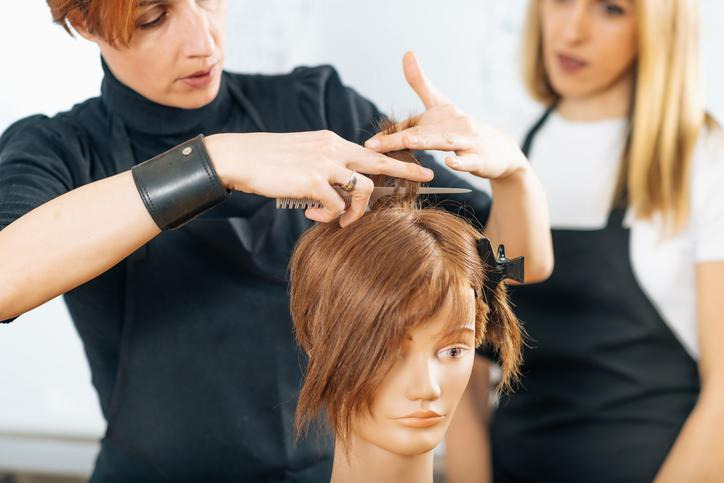
What does a cosmetologist do? The answer goes far beyond cutting and styling hair. Cosmetologists combine technical expertise, creativity, and strong people skills to help clients look and feel their best. Training at a cosmetology school prepares students with the practical experience needed for a variety of careers in the beauty industry.
The beauty industry offers people the opportunity to combine creativity with hands-on work and meaningful client relationships. Every day brings new clients, different services, and fresh opportunities to build confidence through personal care.
So, what does a cosmetologist do? While many people think only of haircuts and styling, what a cosmetologist does often includes a much wider range of beauty services, client consultations, sanitation procedures, and professional recommendations. Students at our cosmetology school in Wisconsin develop both technical abilities and professional habits that prepare them for success after graduation.
What Does a Cosmetologist Do?
Cosmetologists provide beauty services that help clients maintain healthy hair, skin, and nails while delivering a positive customer experience. Daily responsibilities may include:
- Haircutting and styling
- Hair coloring and chemical services
- Shampooing and scalp treatments
- Basic skincare services
- Nail care
- Client consultations
- Product recommendations
- Cleaning and sanitizing tools and workstations
As professionals gain experience, many also build long-term relationships with clients by understanding their preferences, recommending treatments, and helping them maintain their desired look between appointments.
What do cosmetologists do? The answer is simple: they combine technical knowledge with excellent customer service to help clients achieve their beauty goals.
What Skills Are Required for Cosmetology?
Success comes from developing both technical and interpersonal skills. Some of the most valuable abilities include:
- Strong communication
- Attention to detail
- Creativity
- Time management
- Professionalism
- Hand-eye coordination
- Problem-solving
- Customer service
A successful cosmetology student also learns to adapt to different client needs while following proper sanitation and safety procedures. These professional habits are just as important as mastering haircutting or coloring techniques. If you’re looking for more in-depth knowledge about what cosmetology entails, check out our guide on What Is Cosmetology.
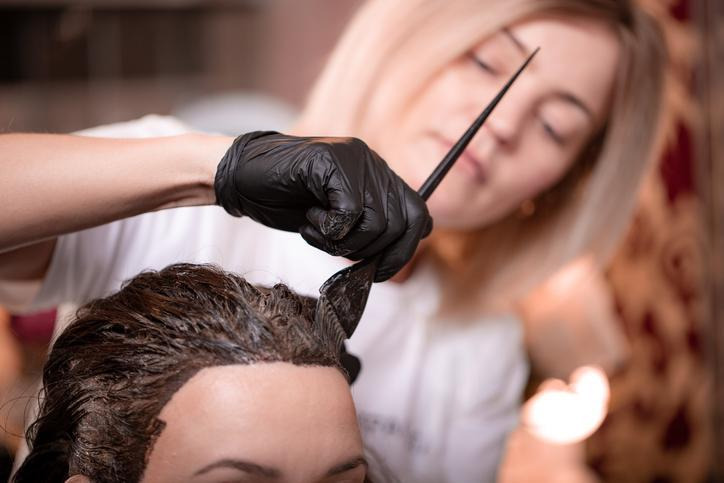
Students build confidence through hands-on practice in cosmetology school.
What Do You Learn in Cosmetology School?
A quality cosmetology school combines classroom instruction with supervised practical experience. Students typically learn:
- Hair cutting and styling techniques
- Hair coloring and chemical texture services
- Basic skincare and nail care
- Client consultations
- Infection control and sanitation
- State regulations
- Retail and product knowledge
- Professional communication
Because much of the learning is hands-on, students gradually build confidence by practicing techniques under instructor supervision before working independently with clients. The goal is to develop graduates who are technically skilled, safety-conscious, and ready to begin serving clients in a professional salon environment.
What Can You Do with a Cosmetology License?
After completing training and meeting licensing requirements, graduates can pursue a variety of career opportunities within the beauty industry. Many licensed cosmetologists work in:
- Full-service salons
- Beauty spas
- Resorts
- Retail beauty businesses
- Specialty salons
Some professionals later become salon managers, educators, platform artists, or business owners.
Before beginning your career, you’ll also need to understand the requirements for obtaining a Wisconsin state cosmetology license. Knowing the licensing process helps students prepare for the transition from education to professional practice with confidence.

Every client appointment strengthens communication and problem-solving skills.
How Do Cosmetologists Build Trust With Their Clients?
Trust begins with listening carefully, asking the right questions, and making realistic recommendations based on the client’s goals, hair condition, lifestyle, and maintenance routine. A cosmetologist must also explain services clearly, confirm expectations, and maintain professional sanitation at every appointment. When clients feel heard and respected, they are more likely to return and recommend the professional to others.
For a cosmetology student, learning how to conduct consultations is just as important as mastering technical services. Strong client relationships can support repeat business, long-term career growth, and a positive professional reputation.
Would you like to explore training opportunities at our cosmetology school in Wisconsin?
Contact the State College of Beauty Culture for more information.
Key Takeaways
- What does a cosmetologist do? Their duties extend well beyond haircuts and styling.
- Cosmetologists combine technical beauty services with communication and customer care.
- Skills required for cosmetology include creativity, professionalism, attention to detail, and strong interpersonal skills.
- A cosmetology student gains practical experience through supervised, hands-on learning.
- Graduating from a cosmetology school and earning a license can lead to a wide range of rewarding beauty careers.
FAQ
What does a cosmetologist do?
Cosmetologists provide services such as haircutting, coloring, styling, skincare, nail care, client consultations, and product recommendations while maintaining professional sanitation standards.
What skills are required for cosmetology?
Cosmetologists perform beauty services while using communication, creativity, attention to detail, customer service, professionalism, and technical expertise to meet clients’ needs.
What do you learn in cosmetology school?
Students learn hair, skin, and nail services, sanitation practices, client communication, state regulations, and practical salon skills through classroom instruction and hands-on training.
What can you do with a cosmetology license?
Licensed cosmetologists may work in salons, spas, resorts, beauty retailers, or pursue opportunities in salon management, education, or business ownership.