June 30, 2026
What Is Cosmetology? A First Look at Beauty Skills, Services, and Career Paths
TL;DR
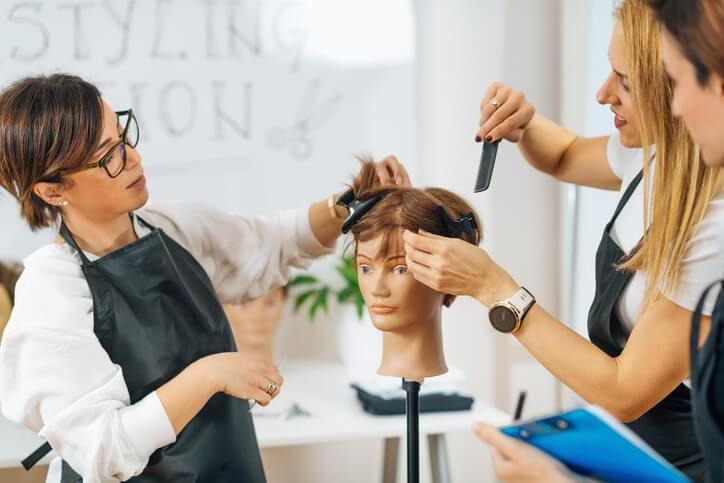
Understanding what cosmetology is starts with understanding how broad and creative the beauty industry really is. Cosmetology training covers hair, makeup, nails, skincare, and professional salon skills, preparing students for many different career opportunities. Students in cosmetology school gain both technical knowledge and hands-on experience that can help them pursue a future in the beauty industry.
If you have ever enjoyed hairstyling, makeup, skincare, or helping others feel more confident, you may have wondered: What is cosmetology exactly?
Cosmetology is the professional study and practice of beauty services related to hair, skin, nails, and personal care. It combines creativity with technical training, communication skills, and hands-on experience. In many ways, cosmetology is both an art and a profession.
When people hear the term cosmetology, they sometimes think only about hairstyling. In reality, the field covers a wide range of beauty services and career paths. A licensed cosmetologist may work with hair color, makeup, manicures, skincare basics, hair removal, or salon operations, depending on their interests and training.
That variety is one reason so many students are drawn toward the beauty industry in the first place.
What is Cosmetology and What Does Cosmetology School Teach?
One of the biggest misconceptions about cosmetology school is that students only practice haircuts all day. In reality, beauty training is designed to help students develop a strong foundation across several service areas while also learning professionalism, sanitation, and client care.
At State College of Beauty Culture, students complete a 1,550-hour cosmetology program that blends classroom instruction with supervised, hands-on salon experience, helping them build the technical and client-service skills required for Wisconsin licensure.
So, what do you learn in cosmetology school?
Students may learn:
- Haircutting and hairstyling
- Hair coloring and chemical services
- Makeup application
- Nail care and manicuring
- Hair removal techniques
- Barbering basics
- Client consultations
- Salon safety and sanitation
Hands-on training is an especially important part of the experience. Through supervised salon experience, students can practise working with clients, managing appointments, communicating about service goals, and applying beauty techniques in a professional training environment.
Students at our cosmetology school in Wisconsin also learn how technical training, sanitation practices, professionalism, and customer service come together in real salon settings.
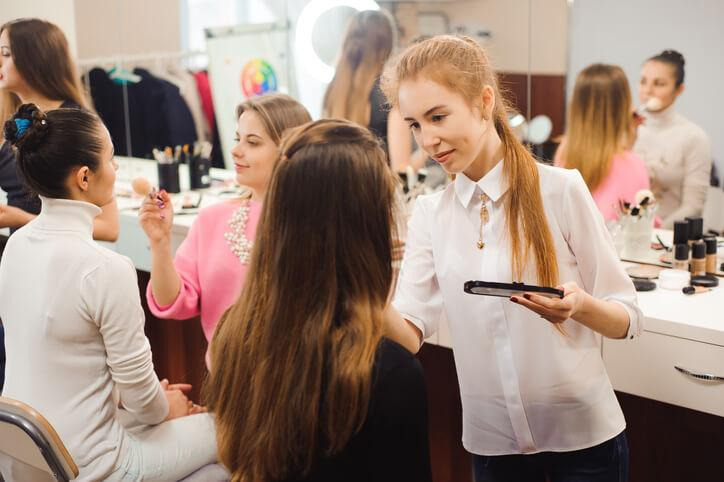
Beauty training combines creativity, technical skills, and client service.
Cosmetology vs Esthetician: What’s the Difference?
Students exploring beauty careers often compare cosmetology vs esthetician training before deciding which path feels right for them.
The main difference is focus. Cosmetology programs usually provide broader beauty training that includes hair, nails, makeup, and some skincare instruction. Esthetics programs focus more heavily on skincare services like facials, waxing, and advanced skin treatments. Students who enjoy working across several beauty areas often choose cosmetology because it offers more flexibility in career direction after graduation.
What Can You Do With a Cosmetology License?
The answer depends on your goals, interests, and the direction you want your career to take. Some graduates become hairstylists or color specialists, while others pursue careers in makeup artistry, nail services, salon management, or beauty entrepreneurship.
Many professionals also continue building specialized skills throughout their careers as trends and beauty techniques evolve. Before beginning professional work, graduates must meet state licensing requirements and pursue a Wisconsin state cosmetology license.
So, is cosmetology a good career? The short answer is yes. The beauty industry continues offering opportunities for creative individuals who enjoy hands-on work, flexibility, and personal interaction.
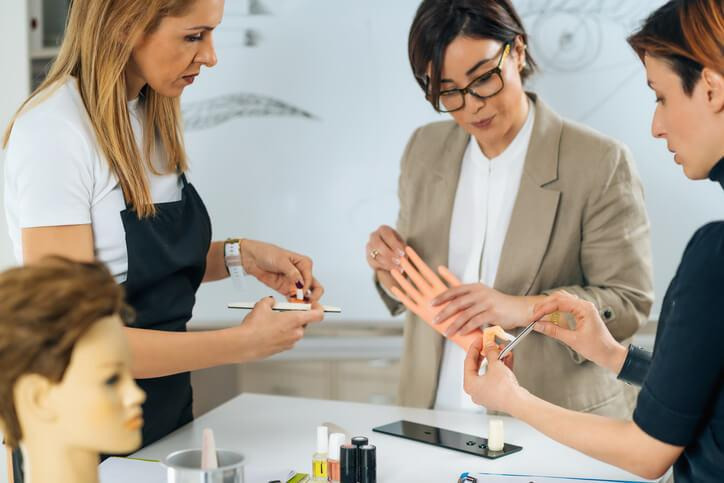
Students in our cosmetology school gain real salon experience before graduation.
Why Cosmetology Matters
Beauty services often go far beyond appearance alone. A haircut, color appointment, or makeup service can help someone feel more confident, prepared, and comfortable in their own skin.
That human connection is one reason cosmetology remains such an important and rewarding profession. Strong cosmetologists build trust with clients while helping them express themselves creatively.
Students attending our Beauty school are not only learning beauty techniques; they are learning how to create positive experiences that people remember.
Are you ready to explore cosmetology training in Wisconsin at our beauty school?
Contact the State College of Beauty Culture to learn more about the program and admissions process.
Key Takeaways
- Understanding what cosmetology is starts with learning about the many services within the beauty industry
- Students in cosmetology school learn technical skills alongside professionalism and client care
- Hands-on salon experience helps prepare students for real-world beauty careers
- Comparing cosmetology vs esthetician programs can help students choose the right training path
- A cosmetology license can lead to careers in salons, spas, makeup artistry, and beauty business ownership
FAQ
What is cosmetology?
Cosmetology is the professional study and practice of beauty services related to hair, skin, nails, and personal care.
What does cosmetology school teach?
Cosmetology programs teach beauty techniques, sanitation practices, customer service skills, and hands-on salon experience.
What do you learn in cosmetology school?
Students may learn hairstyling, hair coloring, makeup application, manicuring, hair removal techniques, and salon professionalism.
What can you do with a cosmetology license?
A cosmetology license can lead to careers as a hairstylist, makeup artist, nail technician, salon manager, or beauty business owner.
Why is cosmetology important?
Cosmetology helps people feel confident while creating rewarding career opportunities for creative professionals in the beauty industry.